Choose a Color Skin



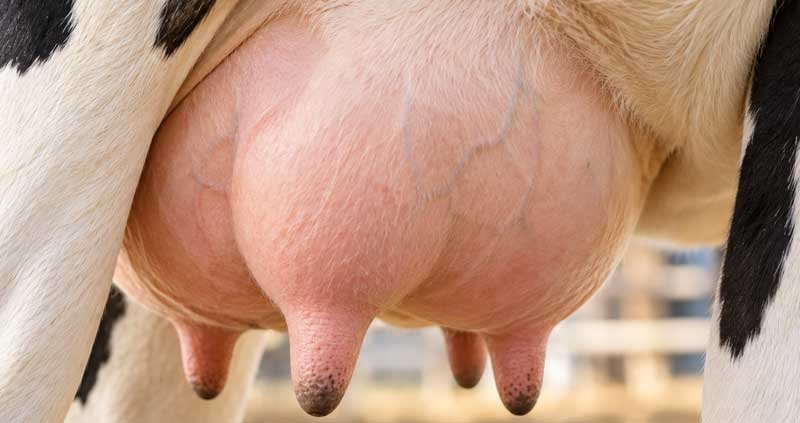
Mastitis is an inflammation of the udder that commonly affects dairy cattle. It is often associated with infection of one or more mammary glands and can affect milk quality, milk production and the overall health of the animal. Early detection and proper management are important for reducing its impact on the herd.
Mastitis occurs when harmful microorganisms enter the udder, usually through the teat canal, and cause inflammation. Bacteria are a common cause, although other microorganisms can also be involved.
Mastitis may occur as a clinical condition with visible changes in the udder or milk, or as a subclinical condition where there are no obvious outward signs but milk quality and somatic cell counts may be affected.
The risk of mastitis can increase when hygiene, milking practices or housing conditions are not properly managed.
The signs can vary depending on the severity and type of mastitis. Farmers should regularly observe the udder and check milk for unusual changes.
Clinical mastitis produces noticeable changes. The udder may become swollen, hot or painful, and the milk may show visible abnormalities. In more severe cases, the cow may also show general signs of illness.
Subclinical mastitis does not usually cause obvious changes in the udder or milk. However, it can be associated with an increased somatic cell count and reduced milk production. Regular herd monitoring and appropriate milk testing can help identify cases that may otherwise go unnoticed.
Mastitis can reduce milk production and affect milk quality. It may also increase veterinary and treatment costs and can lead to milk being discarded during treatment or withdrawal periods, depending on the medicine used.
Repeated or severe cases can also cause long-term damage to mammary tissue. For this reason, prevention and early detection are important parts of effective dairy herd management.
Good hygiene and consistent milking practices can help reduce the risk of mastitis.
Diagnosis may involve physical examination of the udder and observation of the milk. Milk testing, including somatic cell count and microbiological examination when appropriate, can help determine whether infection is present and may help identify the causative microorganism.
Veterinary assessment is particularly important when a cow has severe inflammation, fever, reduced appetite or other signs of systemic illness.
The appropriate treatment depends on the severity of the condition and its underlying cause. A veterinarian may recommend examination and milk testing before selecting an appropriate treatment.
When antimicrobial treatment is prescribed, it should be used according to veterinary advice and the product instructions. Milk from treated animals should be managed according to the applicable withdrawal period to help prevent residues from entering the food supply.
Severely affected animals require prompt veterinary attention, especially when they show signs of systemic illness such as fever, weakness or loss of appetite.
Regularly checking cows during milking can help farmers identify changes before a problem becomes more serious. Monitoring milk appearance, udder condition and herd-level indicators can support early detection and better mastitis management.
Mastitis is an important udder health problem in dairy cattle that can affect animal health, milk production and milk quality. Maintaining good milking hygiene, keeping housing areas clean and dry, monitoring cows regularly and seeking veterinary advice when abnormalities are found can help reduce the impact of mastitis on a dairy herd.