Choose a Color Skin



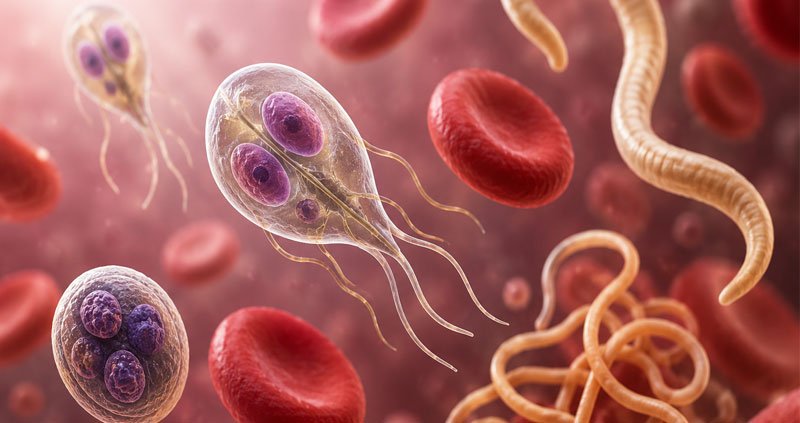
Parasites in dogs and cats are a common concern for pet owners. Fleas, ticks, mites, and intestinal worms can affect your pet's comfort, hygiene, nutrition, and overall wellbeing. Some parasites may also multiply quickly and become difficult to control if proper preventive care is not followed.
Understanding common pet parasites, recognizing the warning signs, and following appropriate parasite-control practices can help protect your furry friend. Regular grooming, cleanliness, proper nutrition, veterinary care, and suitable parasite control products for pets are important parts of responsible pet care.
Parasites are organisms that live on or inside another animal and obtain nutrients or other benefits from their host. In dogs and cats, parasites can be broadly divided into external parasites and internal parasites.
External parasites live on the surface of the animal, while internal parasites can live inside the body. Both types can affect your pet and may require appropriate treatment and prevention.
Fleas are small external parasites that feed on blood. A flea infestation can cause itching, scratching, skin irritation, and discomfort. Some pets may also develop allergic reactions to flea bites.
Because fleas can reproduce quickly and their eggs may remain in the surrounding environment, controlling an infestation may require attention to both the pet and its living area.
Ticks in dogs and cats can attach to the skin and feed on blood. They are particularly common in areas with vegetation and outdoor exposure. Tick infestations can cause irritation and may also be associated with the transmission of certain diseases.
Regularly checking your pet's coat and skin after outdoor activities can help you identify ticks early.
Mites are microscopic parasites that can affect the skin or ears of pets. Depending on the type of mite, affected animals may show signs such as excessive scratching, redness, hair loss, ear irritation, or discomfort.
If you notice persistent itching or unusual changes around your pet's ears or skin, consult a veterinarian for proper diagnosis and treatment.
Internal parasites can live inside the digestive system or other parts of the body. Common intestinal parasites in dogs and cats include roundworms, hookworms, whipworms, and tapeworms.
Signs of intestinal parasites can vary depending on the type of parasite and the condition of the animal. Possible signs may include changes in appetite, digestive problems, poor growth, weight changes, weakness, or visible worms in the stool.
Because many internal parasite infections require specific diagnosis and medication, pet owners should seek veterinary advice rather than treating an unknown infection without professional guidance.
The symptoms of parasite infestation can vary, but some common signs may include:
These symptoms can also occur with conditions that are not caused by parasites. A veterinarian can help determine the underlying cause and recommend appropriate treatment.
Parasite prevention for dogs and cats is often easier than dealing with an established infestation. Pet owners can take several practical steps to reduce exposure.
Herbal pet-care products are also used in some animal-care routines. Products formulated with suitable herbal ingredients may be considered for specific pet-care applications, depending on the formulation and intended use.
When choosing a herbal tick spray or pet-care product, always check the product's intended use, directions, ingredients, and suitability for the particular animal. Not every product is suitable for every species, age group, or health condition.
For an existing or severe parasite infestation, professional veterinary advice is important. A veterinarian can recommend the most appropriate treatment and parasite-control approach.
Parasite control should be considered an ongoing part of responsible pet care rather than something to address only after an infestation occurs. Regular prevention can help reduce the risk of parasite-related discomfort and support better pet hygiene.
A complete pet-care routine should include appropriate grooming, environmental cleanliness, balanced nutrition, routine veterinary check-ups, and parasite prevention suitable for your pet.
Good nutrition is an important part of maintaining overall pet wellbeing. Dogs and cats require appropriate nutrients to support normal growth, energy, and general health.
Veterinary feed supplements and herbal feed supplements for pets may be used when appropriate as part of a broader nutritional-care plan. Pet owners should select supplements according to their animal's specific requirements and seek professional advice when necessary.
RSK Pharmacy came into reality in 2002 with a vision to create quality products in the field of veterinary feed supplements. Today, the company has grown into a fast-growing enterprise with multiple divisions involved in manufacturing and marketing products for domestic and export markets.
RSK Pharmacy operates across several categories, including Veterinary Feed Supplements, Herbal Feed Supplements for Pets including Dogs and Cats, Bird and Poultry Feed Supplements, and Herbal Dietary Supplements in the human category.
Quality has always been one of the key strengths of RSK Pharmacy. The company is equipped with modern technology and an in-house testing laboratory focused on developing new formulations and maintaining the effectiveness of established formulas.
The company has developed a range of products in the field of herbal feed supplements and animal care, including herbal tick spray, herbal wound healing spray, herbal mastitis spray, and other veterinary and pet-care formulations.
Parasites in dogs and cats can affect your pet's comfort and overall wellbeing, but responsible preventive care can help reduce the risk. Regular grooming, cleanliness, proper nutrition, routine veterinary care, and an appropriate parasite-control plan are important for keeping pets healthy and comfortable.
If you notice persistent itching, visible ticks or fleas, unusual skin changes, digestive problems, weight loss, or other concerning symptoms, consult a veterinarian for proper diagnosis and treatment.
Common external parasites include fleas, ticks, and mites, while common internal parasites include roundworms, hookworms, whipworms, and tapeworms.
Regular grooming, checking your dog after outdoor activities, maintaining a clean environment, and following a veterinarian-recommended parasite-control routine can help reduce the risk of flea and tick infestations.
Yes. Parasites can cause itching, skin irritation, digestive problems, discomfort, and other health issues. The effects depend on the type and severity of the infestation.
No product should automatically be considered suitable for every pet. Always check the product's intended use and directions and consult a veterinarian when you are unsure about its suitability for your animal.
Contact a veterinarian if your pet has persistent itching, visible parasites, unusual skin changes, digestive problems, weakness, weight loss, or any other concerning symptoms.